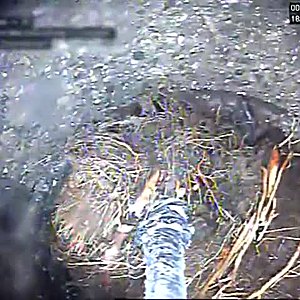
A robot for every pipe.Especially the difficult one.
If you have a pipe issue or a concern, we have a robotic solution for it. That is what Total Pipe Robotic Solutions means. First we find out what is actually in there — video inspection and pipe assessment for municipal, building, industrial and DOT systems alike. Then we remove it, down to the toughest debris and foreign objects, with precision that does not damage the host pipe. Then we record it — AI-assisted NASSCO coding and 3D mapping to correct your as-builts or scope a rehabilitation. And when that rehabilitation is the answer, the same robot prepares the surface and coats the pipe in place. We do this across Seattle and Washington State, and ship robots and certified crews anywhere in the country.
in our leadership
at the touch of a button
certified coding
configure robots to
Start with the problem. We will tell you which robot it takes.
Five problems account for nearly everything we get called for. Find yours and go straight to the detail — or send us the pipe size, the access situation and what you need to know, and we will tell you which platform fits.
“I need to see inside the pipe.”
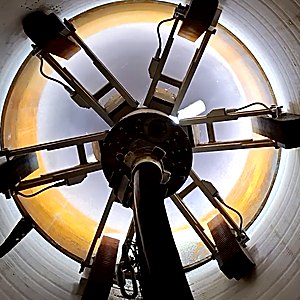
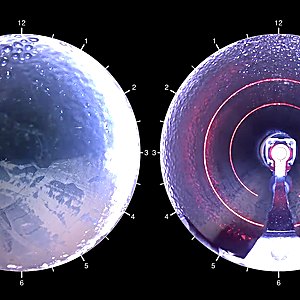
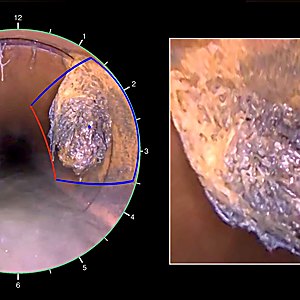
Sewer inspection and CCTV pipe inspection — mainlines, storm drains and culverts, plus manhole inspection and lateral inspection worked from the main or the building side. Condition assessment with measured geometry, laser profiling and sonar below the waterline.
“It keeps backing up and jetting is not clearing it.”
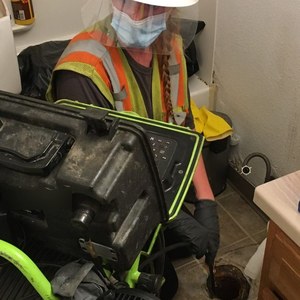
Sewer cleaning, storm drain cleaning and hydro jetting — grease, root removal, descaling, sand, grit and hardened sediment. Cleaned and inspected on one mobilization, including inside occupied buildings where a jet truck cannot go.
“Jetting will not touch it.”
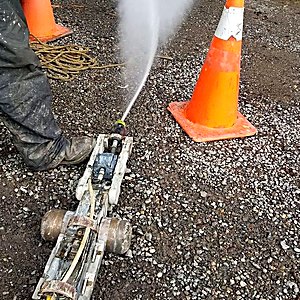
Concrete removal, calcium and scale, failed liner, protruding taps — the obstruction class that stops a jet truck. Ultra-high-pressure water from 10,000 to 40,000 psi, adjustable mid-cut, with no mechanical blade touching the host pipe.
“Nobody knows where the pipe actually runs.”
3D pipe mapping where the as-builts are missing, wrong or unverifiable — XYZ route, depth and alignment for laterals, service lines and vertical stacks, exported into your drawing set or GIS before anyone opens the ground.
“I need records that survive review.”
NASSCO condition coding — PACP, MACP, LACP and BSDI — AI-assisted identification confirmed by a certified coder on every observation. Data your asset system can ingest and your capital plan can be defended with.
Not sure which one it is? That is a normal place to start — send a still frame or thirty seconds of video from a failed run and we will tell you what it takes. Ask us.
Proven equipment, advanced robotics, and the experience to combine them.
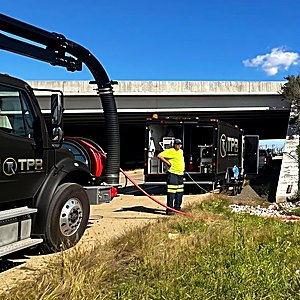
Vacuum trucks and trailer jetters do the flushing, the volume and the debris removal that nothing else does. Robotic platforms reach the assets a truck cannot and take off the material flushing will not move. Neither one is the whole answer by itself. Seventy-five years of combined trenchless experience is what decides which goes in first, where they hand off to each other, and when a job needs both on the same mobilization — and that combination is what you are actually hiring. Four things come out of it.
We get to the asset
Man-portable platforms carried to the manhole, the cleanout or the roof stack. No street frontage, no place to park thirty thousand pounds, and no lane closure on most of the work. The assets that quietly never get inspected are the ones we were built for.
We match the method to the pipe
In a main, ultra-high-pressure water — steerable, 10,000 to 40,000 psi mid-run, taking out concrete, calcium and failed liner without a blade touching the host pipe. Inside an occupied building that pressure is the wrong tool, so we run cable machines with chain, blade and abrasive heads instead. The deposit decides the pressure. The building decides the method.
We watch it happen
Every robot we put in the pipe records while it works. The operator sees the deposit come off foot by foot and the host pipe underneath as it is exposed. You find out it worked on the day, not in a re-inspection next quarter.
We hand over data
NASSCO-coded condition records, measured geometry, 3D pipe routes and GIS-ready exports — signed off by a certified coder. Not a drive full of video somebody still has to sit down and interpret.
Plenty of jobs are a vacuum truck job start to finish, and we will say so when yours is one — flushing a surcharged line or pulling sediment out by volume is truck work, and a robot would be the wrong answer and the wrong price. Anyone can buy a robot. Knowing which tool the pipe in front of you actually needs, and running both well on the same job, is the part that does not come in the crate.
Certified coding, or the data is just video.
Our operators hold NASSCO certification across all four assessment programs — main, manhole, lateral and building side — so the condition codes we hand you drop straight into your asset management system and stand up in a capital planning meeting. Most contractors hold one or two. BSDI is the one that covers the half of the system everybody else stops at. We also hold DCCP, the drain cleaning certification: the assessment is done to a standard, and so is the cleaning.
experience
water cutting
DOT compliant
PACP, LACP and MACP cover the public side — mains, laterals worked from the main, and manholes. BSDI and DCCP are the building-side pair: inspection from inside the structure toward the main, and cleaning to a documented method. Most contractors hold the first group only, which is why private-side findings stop at the property line. All current, three-year terms.
What we get called for.
Two things make up almost all of our work, and they are the two we are best at.
Clean, TV and assessment — sewer and storm, and well beyond
Cleaning, CCTV, condition assessment and certified coding on sewer and storm mains for cities and commercial buildings — and on every other pipe in the system: laterals, building stacks and risers, process drains, culverts, intakes and outfalls. Routine, programmed, or emergency when a line goes down. That is what Total Pipe Robotic Solutions means.
Robotic UHP water cleaning and cutting
Ten to forty thousand psi of steerable water, with the camera on the cut. Industrial plants, hydroelectric dams and process lines where the asset was never a sewer to begin with — and sewer and storm mains too, whenever conventional jetting is not efficient enough or the obstruction is beyond it: set concrete, hardened grout, heavy calcium, tuberculation, collapsed liner.
Five service lines sit under those two, and on most jobs they run in sequence on one mobilization — because that is the order the work actually happens in.
REHABILITATE
When the answer is rehabilitation, the same robot does that too.
Clean the line, prepare the surface, apply a protective coating in place, and run a final inspection pass on the finished wall — one chassis, one tether, one mobilization. For a pipe with wall left in it, restoring the internal coating is the alternative to digging it up and re-laying it, which is why we measure the remaining wall before we quote the coating.
Cities, water and sewer districts, industry, bases and buildings.
We work for municipalities and utility districts, engineering firms, industrial plants, military installations and property owners — across Seattle and Washington State, and nationwide on the flyaway service.
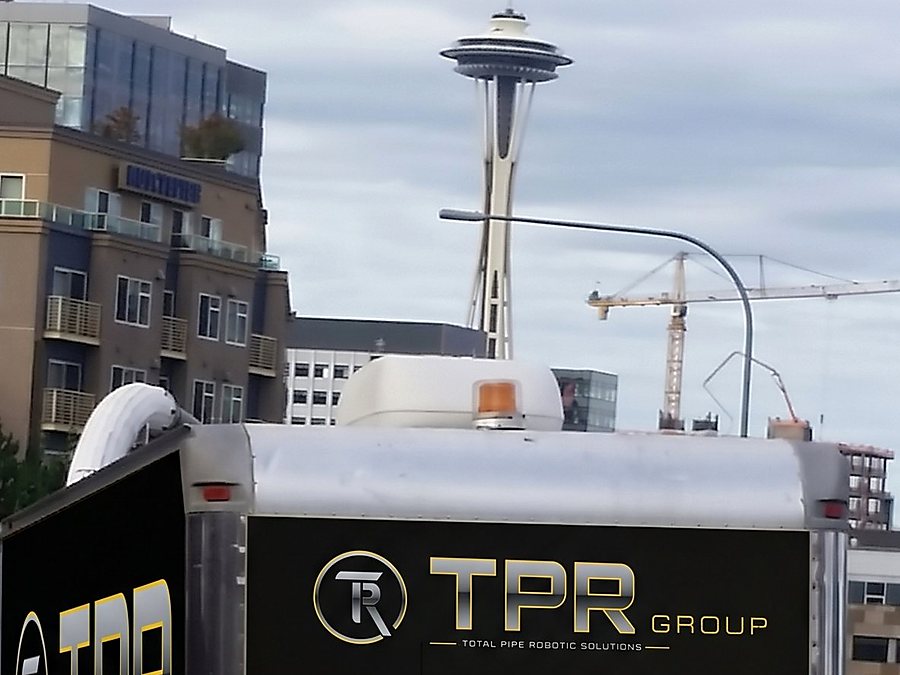
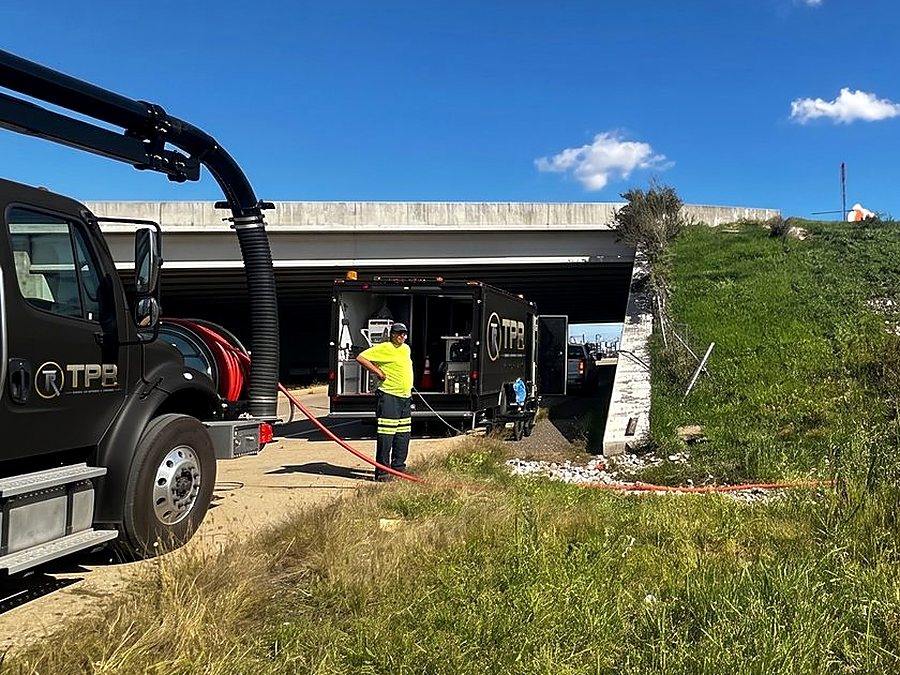
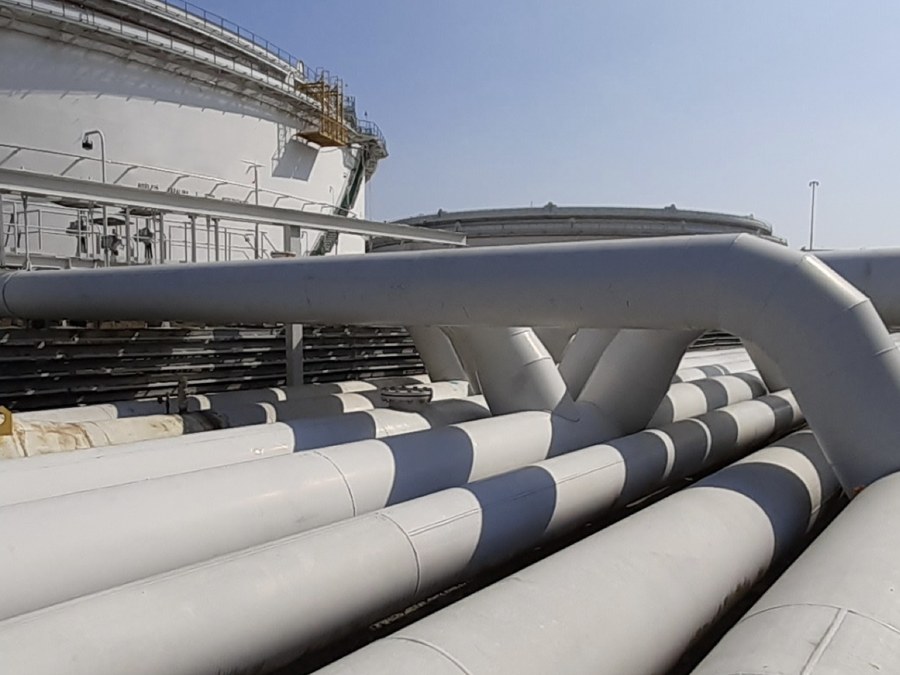
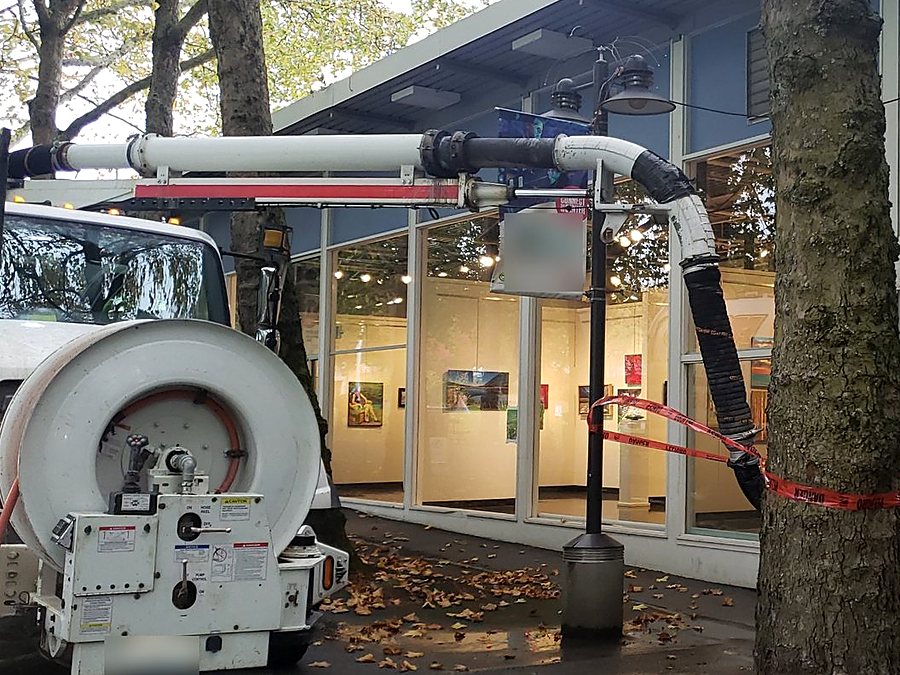
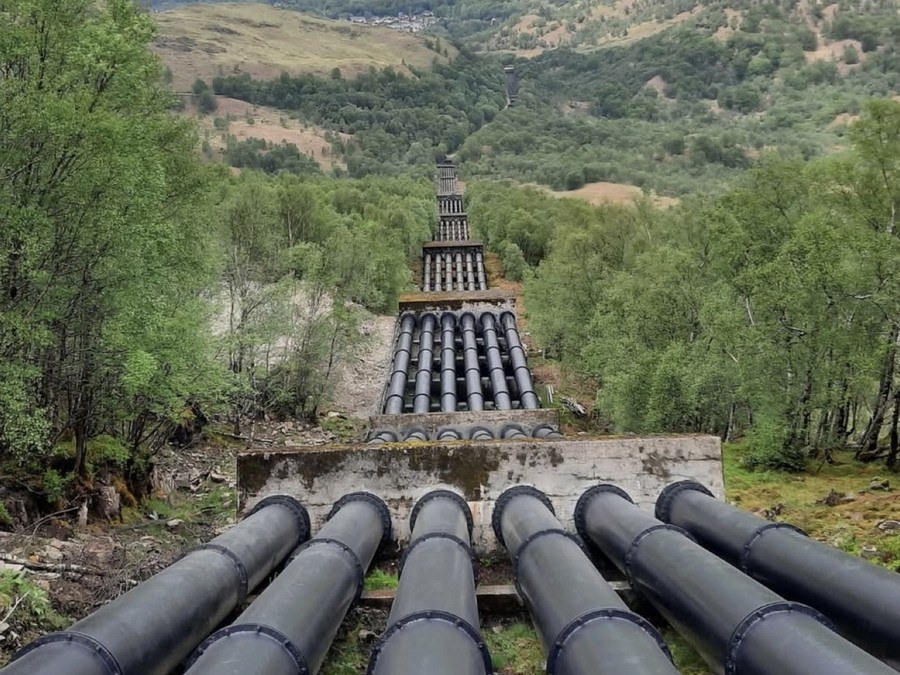
What the work actually looks like.
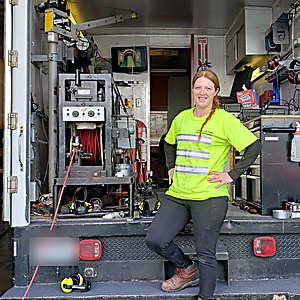
Not renderings. Material pulled out of live pipe, robots on the ground, and crews on sites where a conventional truck was not the answer.
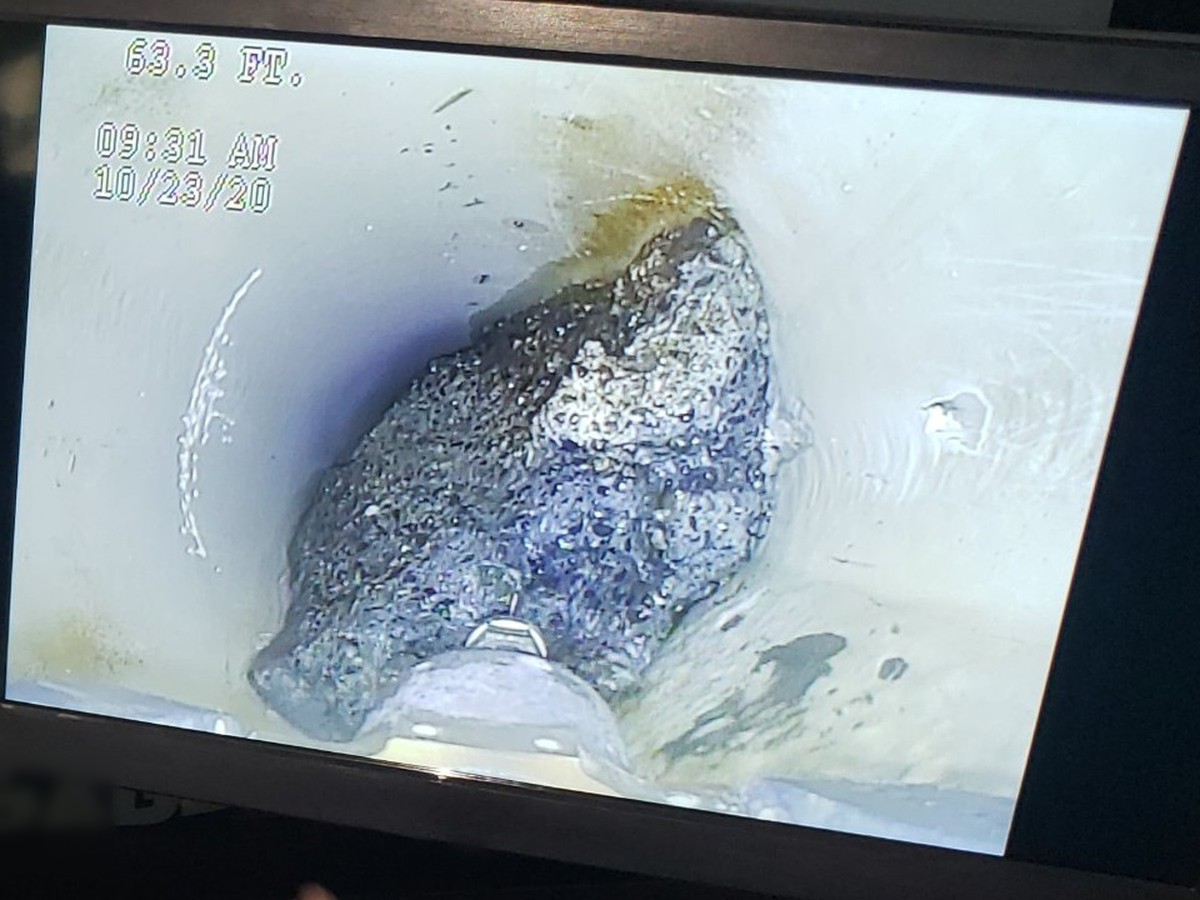
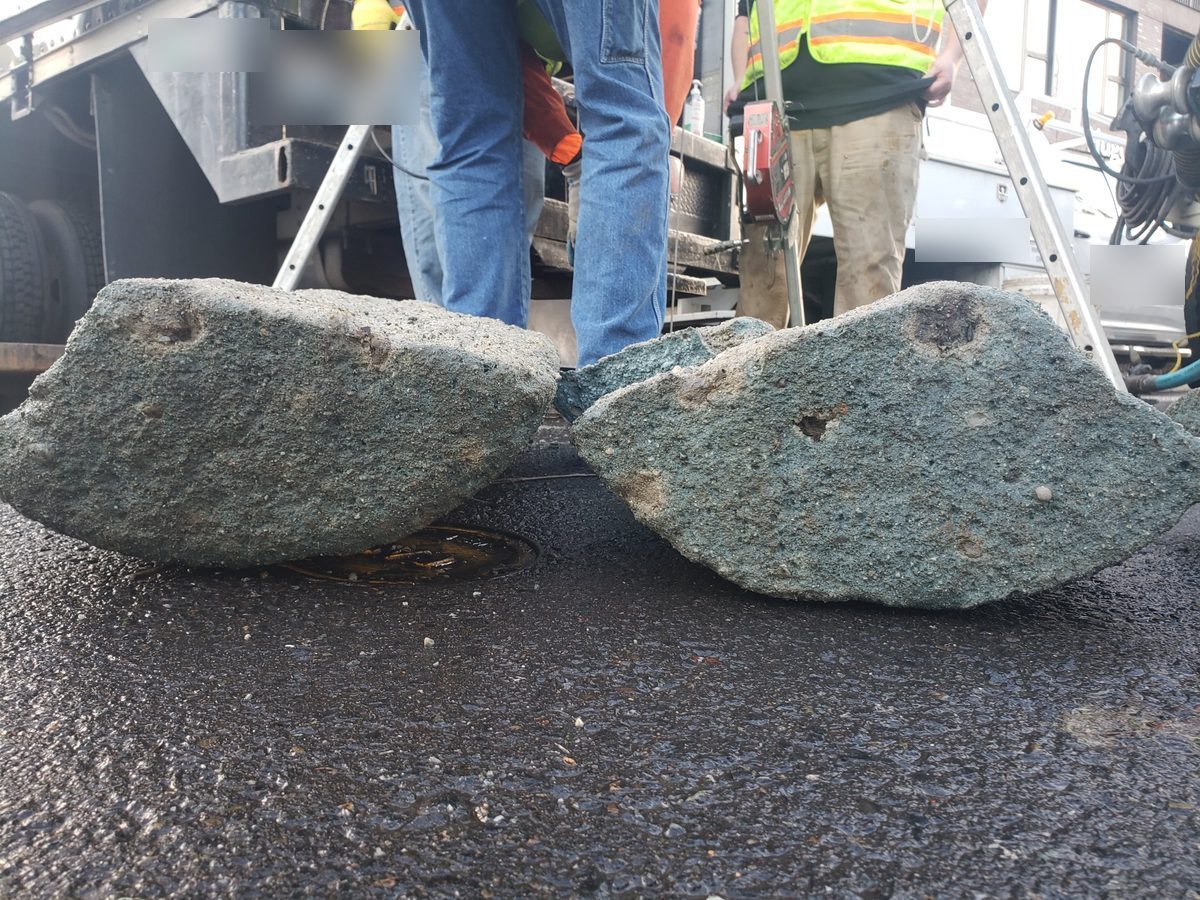
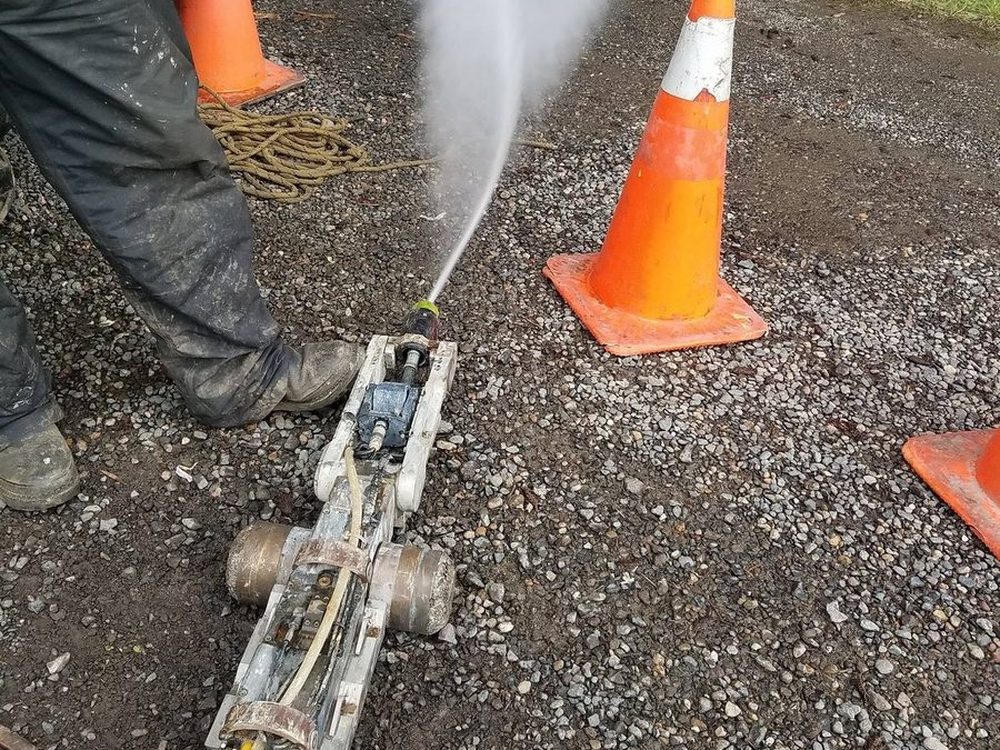
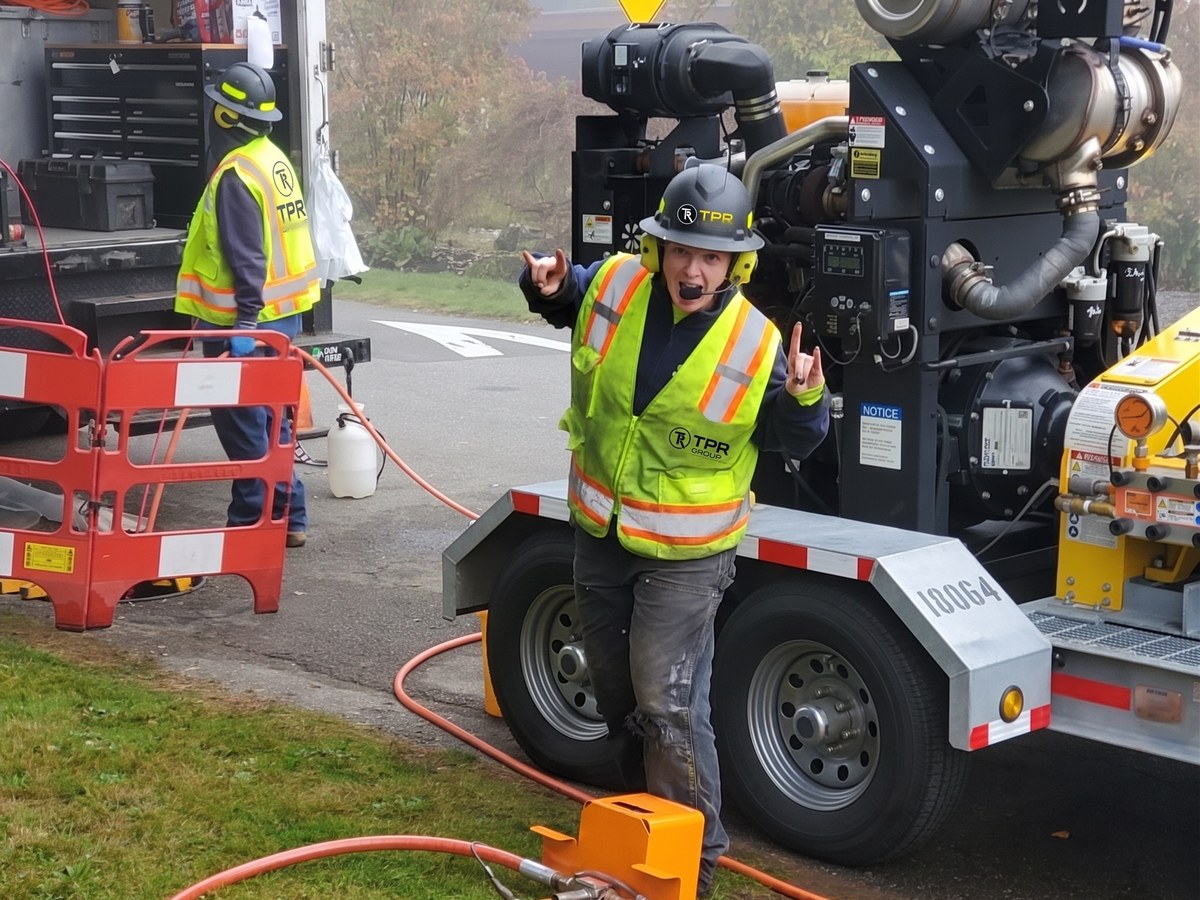
Project photography from work performed by our crews and by our leadership’s prior companies. Client-identifying detail removed.
The pages explain it. The footage proves it.
In-pipe video of the cutting, the material coming out, and the crews on site — posted as the work happens.
A pipe issue, or just a concern? We have a robotic solution.
Routine, planned or emergency — send us the pipe size, the access situation and what you need to know. We will tell you which platform fits and what a mobilization looks like, usually the same day. If the answer is that you do not need a robot, we will tell you that too.